Why Lancashire’s Grassroots Music Scene Feels Busy Again
Across Burnley, Colne, Blackburn and the towns in between, young bands, independent promoters and active venues are building something real.
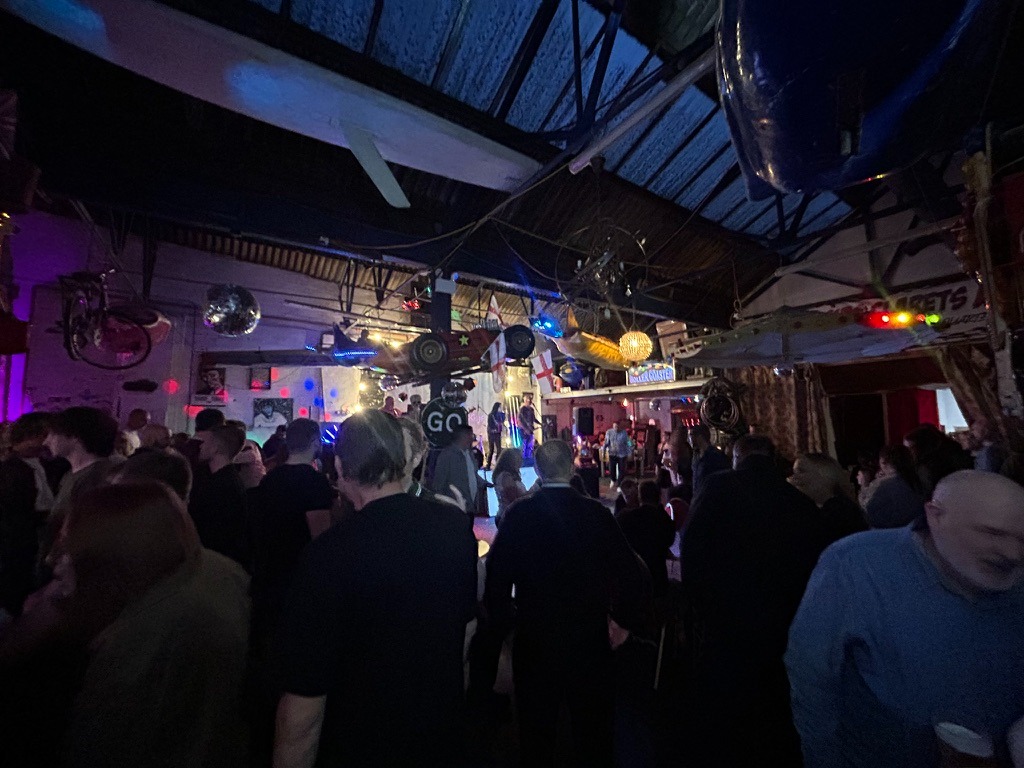
Something feels like it’s moving again in Lancashire.
Across Burnley, Colne, Blackburn and the towns in between, there seems to be more live music, more young bands, more promoters putting nights on and more people actually making an effort to build something around the local scene.
It isn’t one huge moment or one breakout band. It’s lots of smaller things happening at the same time. And that might be exactly why it feels exciting.
Bands are actually getting out and playing: At grassroots level, the health of any local music scene usually comes down to one thing: bands need places to play. Right now, there’s no shortage of acts willing to get out there. Bands like Zephyr and The Switch are playing regularly around East Lancashire and beyond, working through the pubs, bars, festivals and independent venues that make up the local gig circuit. They sit alongside a growing number of original acts trying to build something of their own.
Burnley’s The Moors, for example, are part of a younger generation of local indie bands emerging from the area, drawing on modern British guitar music and playing shows both locally and further afield. At the other end of that journey, The Goa Express are a reminder of where a band starting out around here can end up, after forming as teenagers in Burnley before taking their garage-influenced indie sound onto a much wider stage. That mix matters. A healthy scene needs bands playing their first handful of shows just as much as it needs the acts that have already broken beyond the county.
There are people actually putting the work in: Bands alone don’t create a scene. You need promoters, photographers, venues, sound engineers and people prepared to spend their evenings trying to get 50 people into a room to watch an act they’ve never heard of. Burnley-based The Forge FTV has spent the past year filming performances, putting on gigs, running jam nights and creating opportunities for grassroots artists around East Lancashire. Its first anniversary show at Penny Black this September brings together touring and regional acts under a Pay What You Can model designed to keep shows accessible while supporting the artists playing them.
Lancashire already has the big music weekends: The county isn’t starting from nothing. At the end of August, Colne once again becomes one of the biggest blues destinations in the country when the Great British Rhythm & Blues Festival returns for its 35th edition (28–30 August 2026). Events on that scale matter because they bring thousands of people into a town for live music, but their impact doesn’t have to disappear when the festival finishes. If someone discovers a local band during a festival weekend, goes back to see them in a 100-capacity venue a month later and then discovers another three bands on the same bill, that’s how scenes grow.
Covers and originals don’t need to be enemies: There can sometimes be a strange divide in grassroots music between original bands and covers bands. In reality, both can play a part. A busy Saturday-night covers gig gets people accustomed to going somewhere because there’s a live band on. A strong original support act introduces people to something they haven’t heard before. The more people who associate their local pub or venue with live music, the better the environment is for everyone.
Younger bands are coming through: Perhaps the most encouraging part is that grassroots music doesn’t feel restricted to the same familiar names. Younger bands are appearing, putting their first line-ups together and getting onto local bills. Small venues, support slots, battle-of-the-bands events and open jam nights all give musicians somewhere to start. The next genuinely exciting Lancashire band probably isn’t playing a huge stage yet. They might currently be rehearsing above a shop, playing to 30 people in a pub or opening somebody else’s show.
The towns are beginning to connect: Burnley, Colne, Blackburn, Accrington, Darwen, Clitheroe and Preston are all close enough that bands, audiences and promoters can move between them. Once audiences begin following bands between towns — rather than only going to whichever act happens to be playing their local — you start getting something much stronger than a collection of pub gigs. You get a scene.
There’s still work to do: Small venues still need people through the doors. Bands still struggle to get noticed. Promoters still take risks putting unfamiliar acts on. Plenty of brilliant gigs happen with almost no promotion outside a Facebook post that disappears down somebody’s feed two hours later. That’s probably the biggest challenge. There’s plenty happening. It just isn’t always easy to find. And that’s part of why North West Noise exists. The aim isn’t to manufacture a music scene that isn’t there — it’s to make the one that already exists easier to see.
Acoustically treated rooms, PA rigs & stage lighting setups in Nelson — book online.
VISIT PARTNER ➔